


From Can Do to Must Do: The Evolution of Exercise and Strength Training in Modern Life
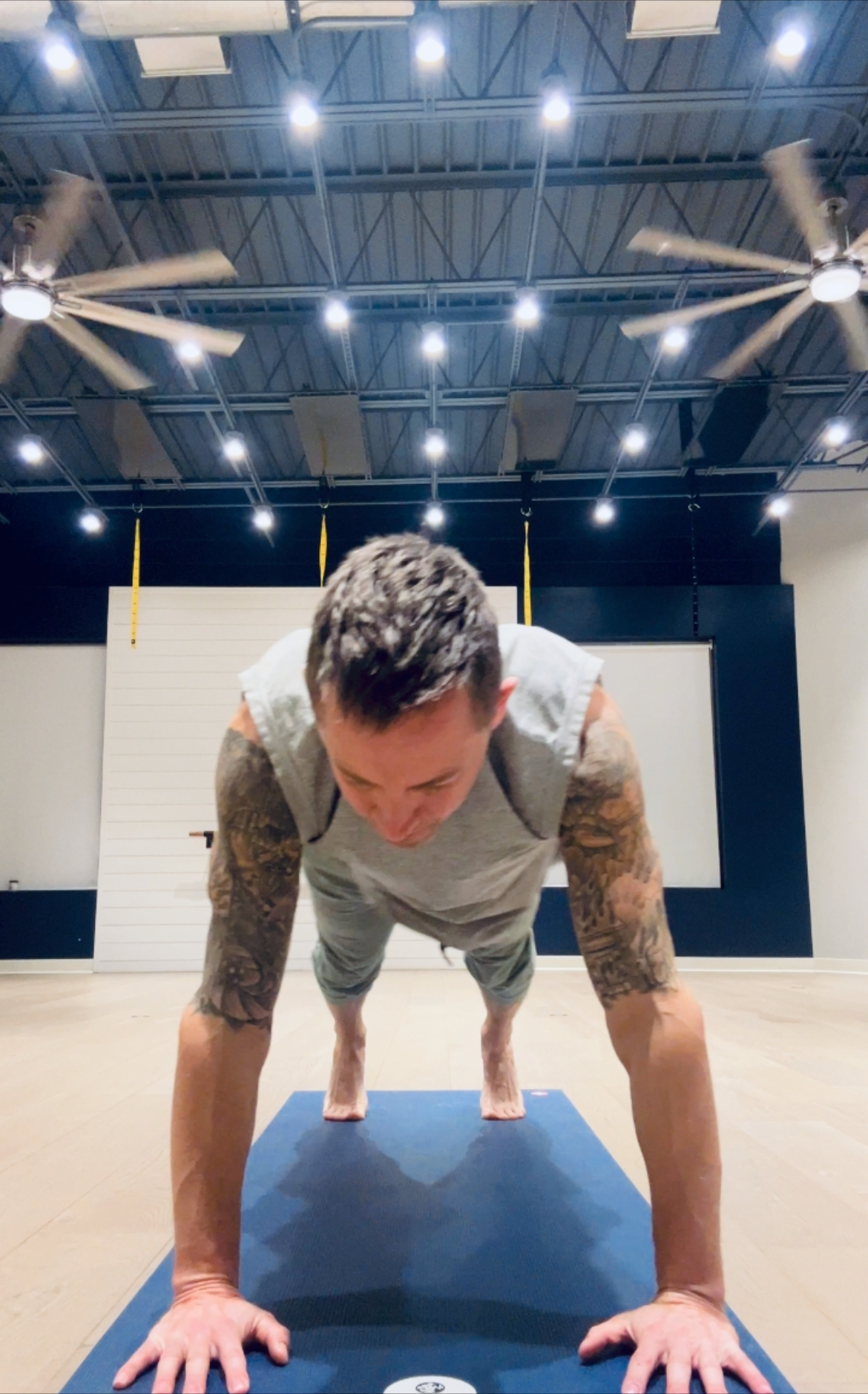
Exercise and strength training have shifted from optional activities to essential parts of daily life. In the past, physical activity was a natural part of survival and daily routines. Today, it requires deliberate effort. This change reflects how our lifestyles and environments have evolved, making strength training no longer a choice but a necessity.

Why We Didn’t Need Strength Training Before
Thomas Jefferson once wrote in a letter to his nephew, "devote 2 hours of each day to your physical health. If the body is feeble, the mind will not be strong."
Historically, humans stayed active through daily tasks like hunting, farming, gathering, and manual labor. Physical activity was built into survival. People naturally developed strength and endurance simply by living. There was no need for structured workouts because movement was constant and purposeful.
Our ancestors of the not-so-distant past spent hours tilling soil, carrying heavy loads, walking long distances, and working labor-intensive jobs. These activities kept muscles strong, bodies fit, and minds focused.
Why We Need Strength Training Now
Modern life has drastically reduced natural physical activity. The CDC estimates that 80 percent of American Adults fail to reach the minimum physical requirement of 150 minutes of aerobic exercise and two days of strength training. Technology has automated many tasks, from transportation to household chores. Most jobs involve sitting at desks or using machines. This shift has led to widespread inactivity and muscle loss, which increases the risk of chronic diseases like diabetes, heart disease, and osteoporosis.
Despite technological advances that save time, many people still feel they don’t have time to exercise. This feeling often comes from how screen time is used. Of the average 7.4 hours the average American spends daily on smartphones, computers, and TVs, nearly half is estimated to be leisure. This misuse of time creates a false barrier to fitness.
In reality, technology could free up time for exercise. Automated tasks and faster transportation mean less physical effort is needed for daily chores. The challenge is choosing to spend some of that saved time on strength training and movement.
How Modern Strength Training Looks Different
Traditional strength training often involved solo workouts with fixed routines, such as three sets of ten repetitions. The focus was on counting reps and sets, sometimes without much variation or attention to how muscles were worked.
Today, strength training has evolved to be more effective and engaging. Group classes have become popular, offering social support and motivation. These classes emphasize progressive overload, which means gradually increasing the weight or resistance to challenge muscles. They also focus on time under tension, controlling the speed and duration of each movement to maximize muscle engagement.
For example, instead of rushing through ten reps, participants with varied time control might slow down the lowering phase of a squat to increase muscle strain. This method improves strength and muscle growth more efficiently than simply counting reps. Famous body builder Ronnie Coleman once stated, "There is no secret formula. Just try to work harder while maintaining quality."
Benefits of Group Strength Training
Motivation and accountability from working out with others
Guidance from instructors who ensure proper form and progression
Variety in workouts that prevent plateaus and avoid boredom.
Focus on quality with controlled movements and intentional, focused effort
Practical Tips to Make Strength Training a Must-Do
Schedule workouts like appointments to prioritize them
Track and set daily screen time usage goals with dedicated times
Find group classes or find workout partners for support
Focus on form and controlled movements with varied speeds
Gradually increase resistance or duration to keep challenging your muscles
By adopting these habits, strength training becomes a sustainable part of life, not a chore. The longer we keep our muscle, the healthier our body, mind, and life will be.


Comments